- Home
- Beginner's guide
How to play Hanafuda matching
Hanafuda are traditional flower cards from Japan. Each card belongs to one month of the year, and each month has its own plant. In Sakura Memory Game you do not need any traditional scoring rules: turn over two cards, and if they come from the same month, you have a pair.
The matching rule in three steps
- Turn over a card
Tap a face-down card. Note its month number and where it sits on the board.
- Find a card from the same month
Turn over a second card. Cards with the same month number are a pair, even when their pictures are different. A pair stays face up.
- Remember what you missed
If the two months differ, both cards turn back over. Remember their positions and use them on your next turn until the board is clear.
The twelve months of Hanafuda
Every month has a plant, and many cards add an animal, a ribbon or an object. Learning the plants makes pairs easier to spot, but the month number on each card is always enough.
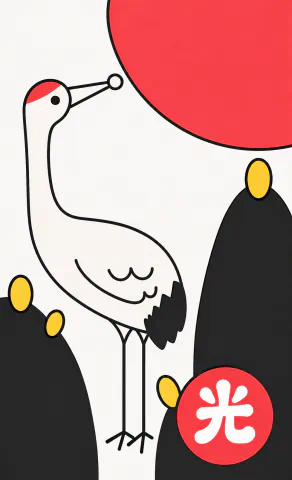
JanuaryPine (Matsu)
Pine branches, with a crane under a red sun on the bright card.
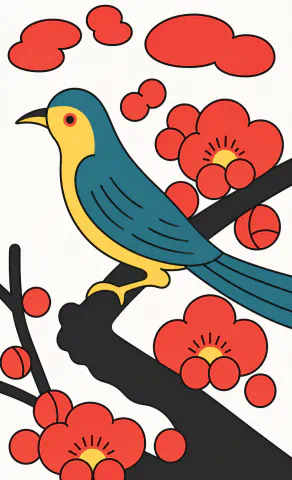
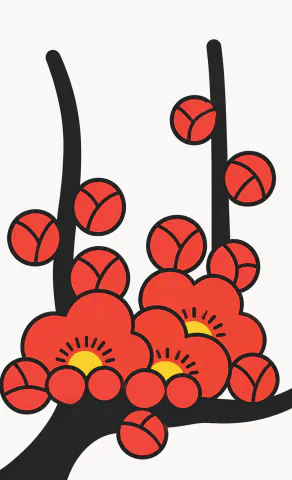
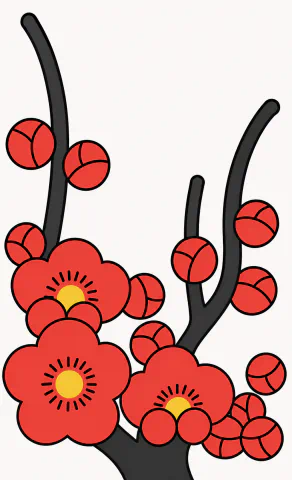
FebruaryPlum blossom (Ume)
Red plum blossoms, with a bush warbler on the animal card.
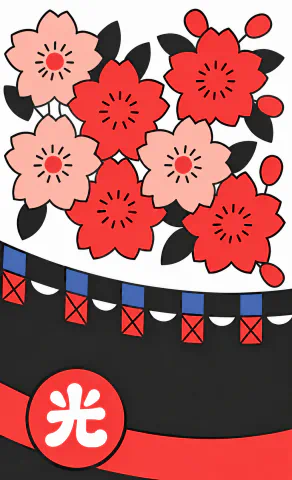
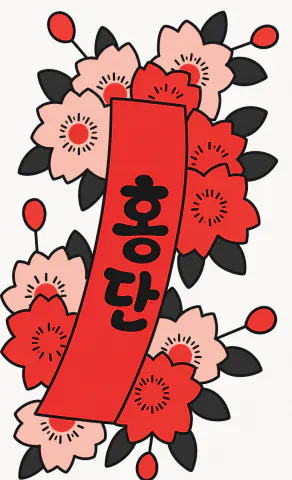
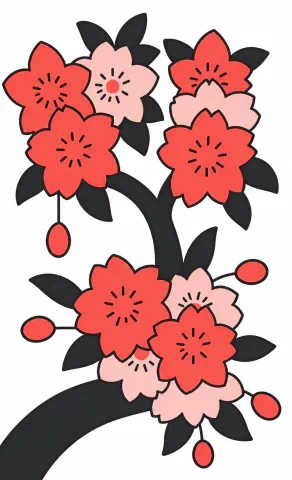
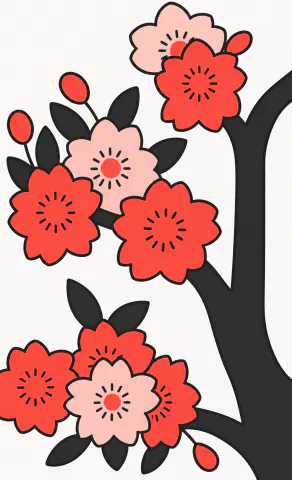
MarchCherry blossom (Sakura)
Cherry blossoms, with a festival curtain on the bright card.
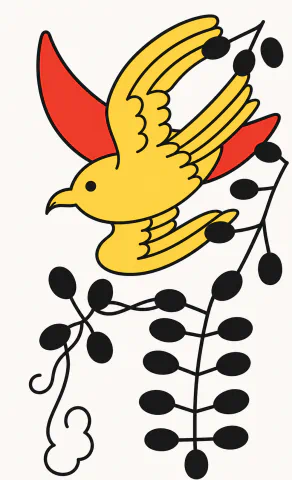
AprilWisteria (Fuji)
Hanging wisteria, with a cuckoo on the animal card.

MayIris (Ayame)
Irises by the water, with a wooden bridge on the animal card.
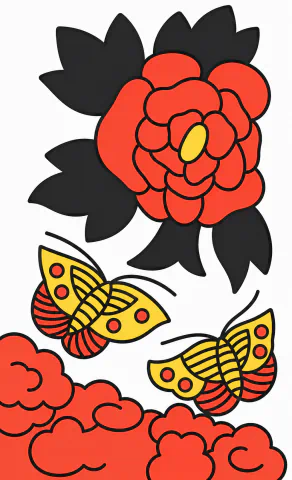
JunePeony (Botan)
Large peonies, with butterflies on the animal card.
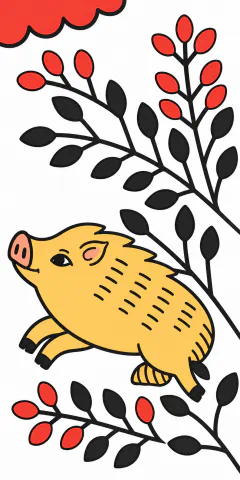
JulyBush clover (Hagi)
Red bush clover, with a wild boar on the animal card.

AugustPampas grass (Susuki)
A hill of pampas grass, with the full moon and flying geese.
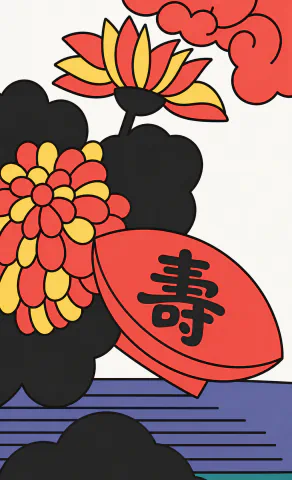
SeptemberChrysanthemum (Kiku)
Chrysanthemums, with a sake cup on the animal card.

OctoberMaple (Momiji)
Red maple leaves, with a deer on the animal card.
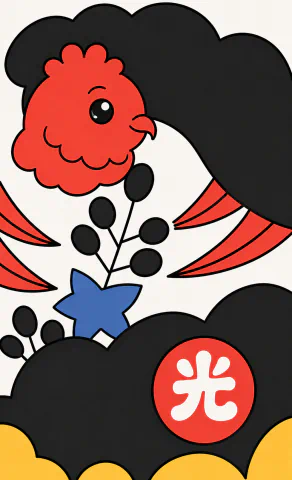
NovemberPaulownia (Kiri)
Paulownia leaves, with a phoenix on the bright card.
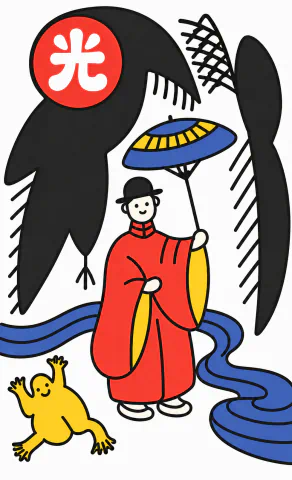
DecemberWillow and rain (Yanagi)
Willow in the rain, with a figure holding an umbrella on the bright card.

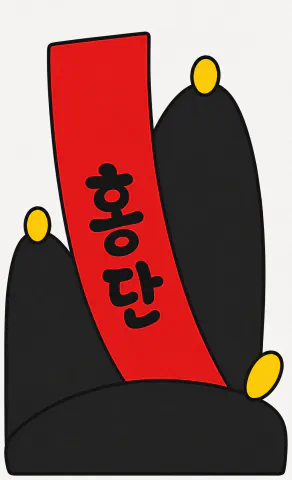


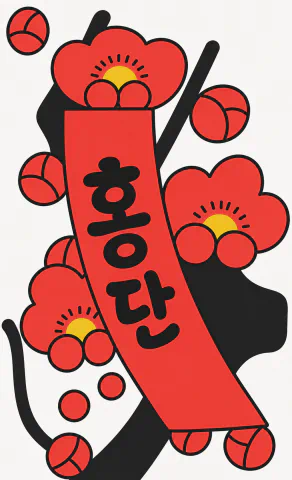

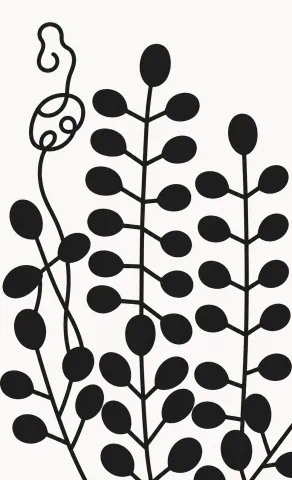
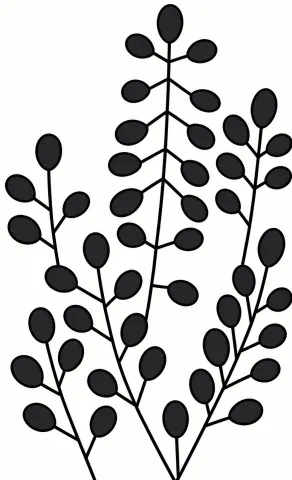



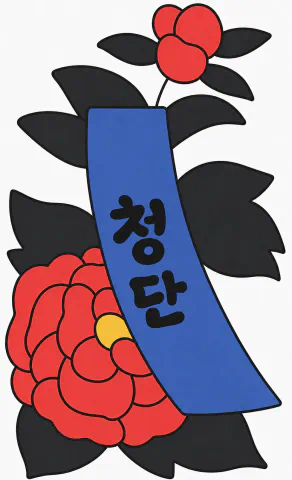








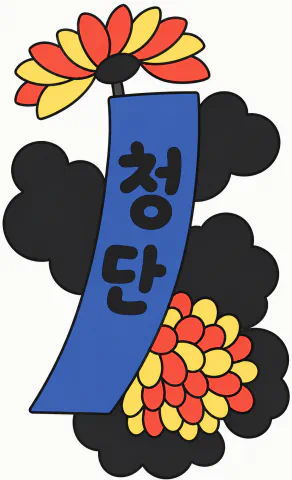


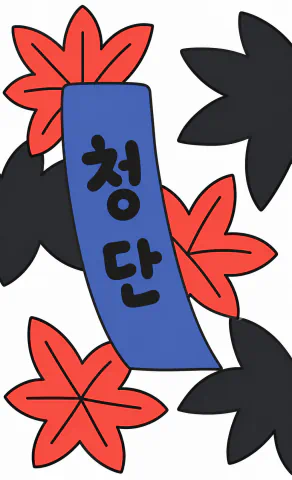

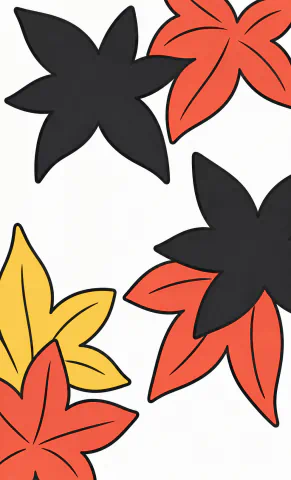






In Sakura Memory Game, paulownia is November and the rainy willow is December. Some decks swap these two months, so simply match the number printed on the card.
What about brights, ribbons and animals?
Traditional games such as Koi-Koi and Go-Stop give cards different point values: brights, animals, ribbons and plain cards. Sakura Memory Game ignores those values. Any two cards from the same month match, so it is a gentle way to learn the deck before you try the scoring games.
Memory tips for your first game
- Say the month number and the position together, for example "three, top left".
- Start from one corner and turn cards in a fixed order, so the positions are easier to recall.
- When a pair fails, remember the card you did not expect. It is often the partner of the next card you turn.
- Learn a few eye-catching months first, such as cherry blossom, the full moon and the rainy willow.
Put the rule into practice
Play solo against the clock, challenge the AI, or pass one phone between two players. The app is free on iOS and Android.